What you can buy
SNAP benefits buy food for home preparation and eating — staple foods and ingredients, not restaurant meals. The rule of thumb: if it is a grocery item meant to be cooked or eaten at home, it is almost certainly eligible. If it is alcohol, tobacco, a vitamin or medicine, a hot prepared food, or a nonfood item, it is not. This guide gives the full picture and the penalties for misuse.
- Eligible: breads and cereals, fruits and vegetables, meats and fish, dairy, snack foods, nonalcoholic drinks, and seeds or plants that produce food.
- Ineligible: alcoholic beverages, tobacco products, vitamins and medicines, supplements, live animals and birds, hot foods and hot drinks sold ready to eat, and all nonfood items (paper products, soap, pet food, household supplies).
- Cold prepared foods sold for home eating (for example, cold sandwiches or salads from a deli) are generally eligible; the same food sold hot is not.
- Selling or trading benefits for cash ('trafficking') can mean disqualification for 12 months (first offense), 24 months (second), or permanently (third), plus fines and criminal penalties.
Eligible foods in detail
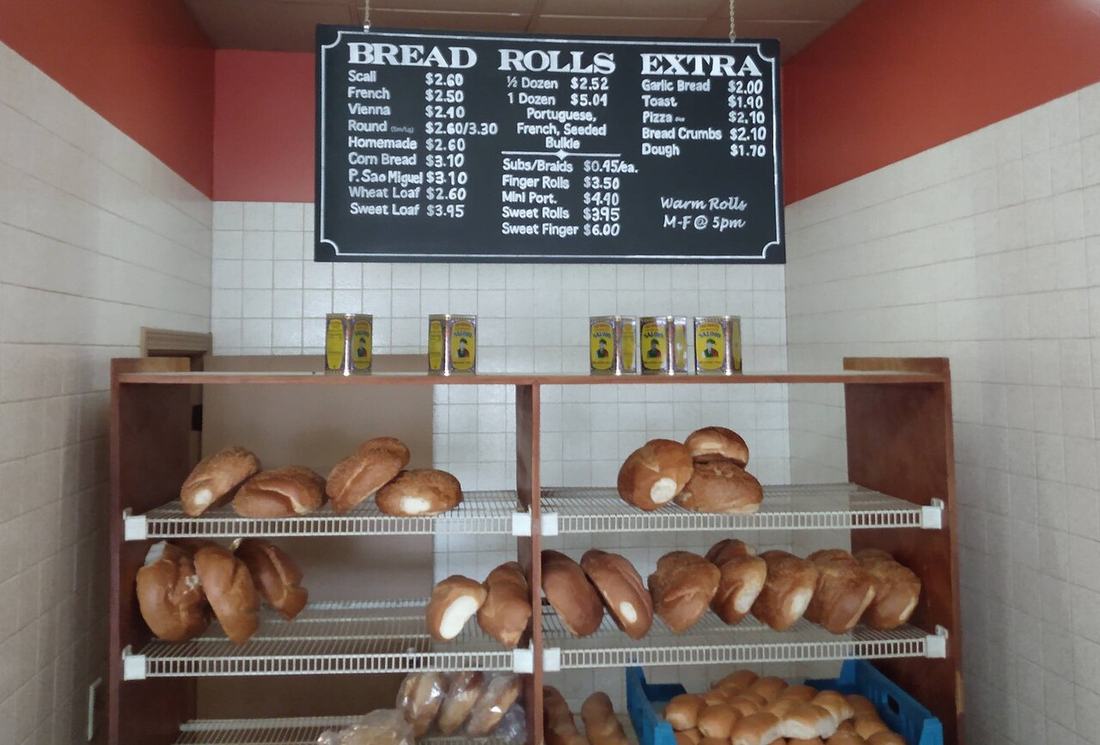
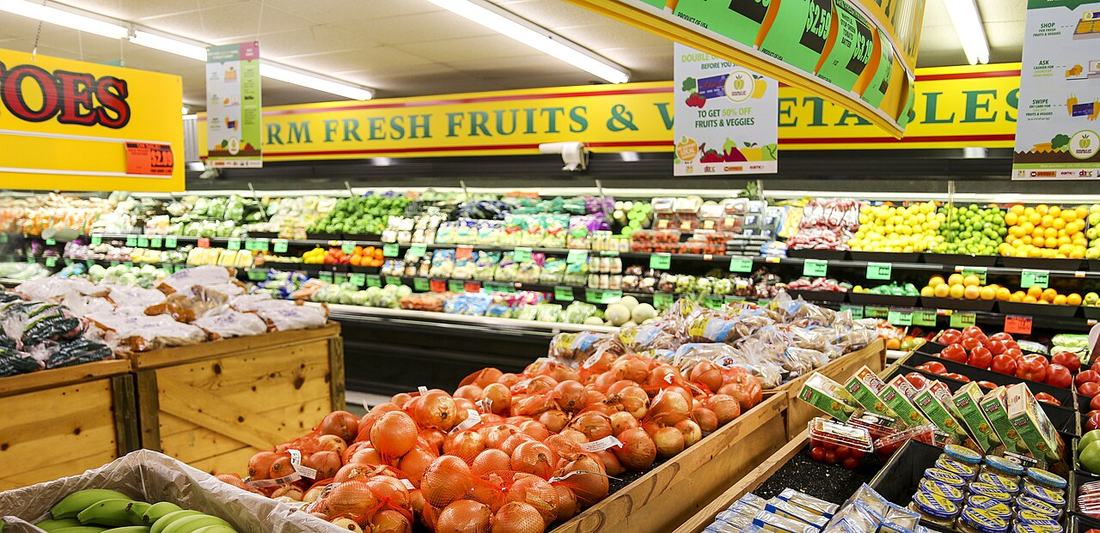
Eligible items include: breads, cereals, rice, and pasta; fresh, frozen, and canned fruits and vegetables; meat, poultry, fish, and seafood; milk, cheese, eggs, and other dairy; snack foods such as chips, cookies, and candy; coffee, tea, juice, and other nonalcoholic beverages; and seeds and plants that grow food (tomato plants, herb seedlings, seed packets). Baby formula and baby food are eligible. Energy drinks are eligible only if they carry a Nutrition Facts label — drinks labelled as supplements (Supplement Facts) are not.
Ineligible items and the hot-food rule
The most common surprise at the checkout is the hot-food rule: food sold hot at the point of sale — rotisserie chicken still warm from the oven, hot soup from a deli, a hot coffee — cannot be bought with SNAP, even though the same food cold usually can. (A limited Restaurant Meals Program exists in a few states for elderly, disabled, and homeless participants at authorized restaurants — check whether your state offers it.) Also ineligible: alcohol and tobacco in any form; vitamins, medicines, and supplements; pet food; paper and cleaning products; and cosmetics. If an item is mixed into one transaction, pay for ineligible items separately.
Misuse and trafficking penalties
SNAP benefits are for the household they were issued to. Selling benefits, trading them for cash or ineligible items, or letting someone else use your card to buy food for themselves is trafficking. Penalties for recipients: disqualification for 12 months for a first intentional violation, 24 months for a second, and permanently for a third — plus repayment of the misused benefits. Retailers that traffic lose their SNAP authorization and face fines. If someone offers to buy your benefits, or pressures you to misuse them, report it to your state agency or the USDA Office of Inspector General hotline.
Sources to check: USDA Food and Nutrition Service, SNAP Eligible Food Items; 7 CFR 271.2, 274.6, 278.6; USDA Food and Nutrition Service, SNAP Retailer Locator.